In the drying setup
01DrizAir 120002The Cube03Air movement04Moisture verification
Other treatments · selected separately
05HEPA filtration06Sanitisation07Odour neutralisation
Refrigerant dehumidificationGive evaporated moisture somewhere to go.
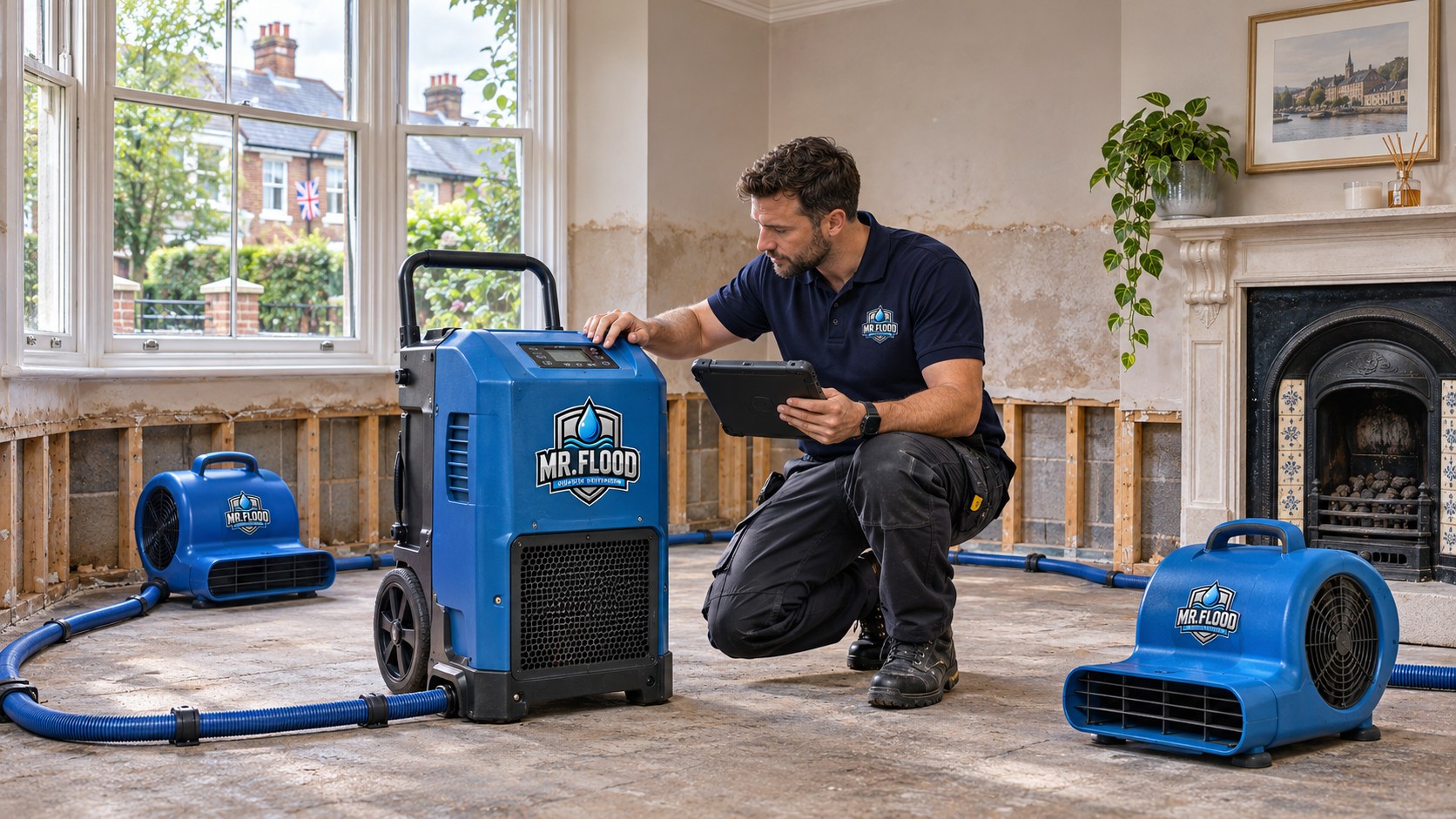
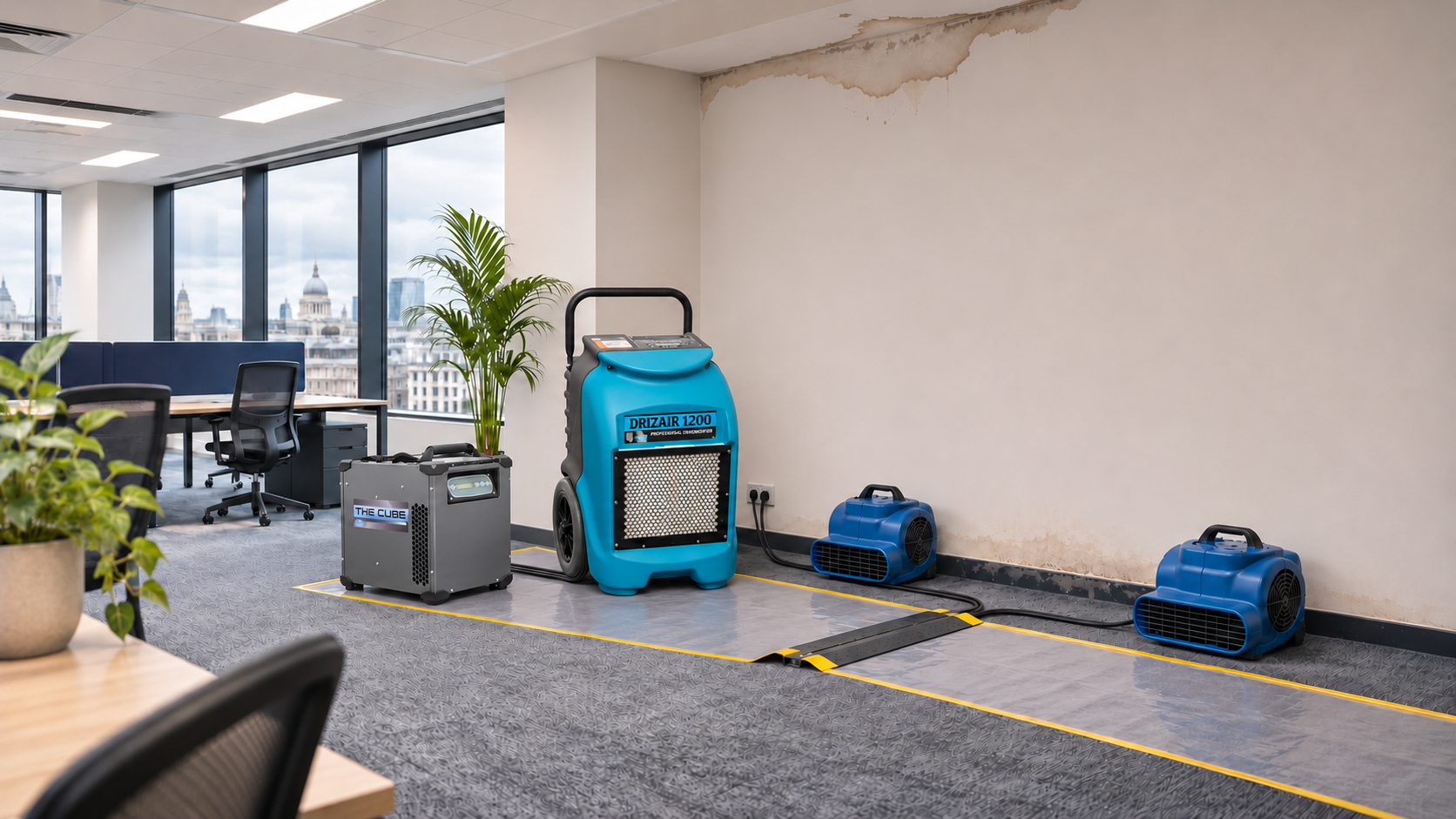
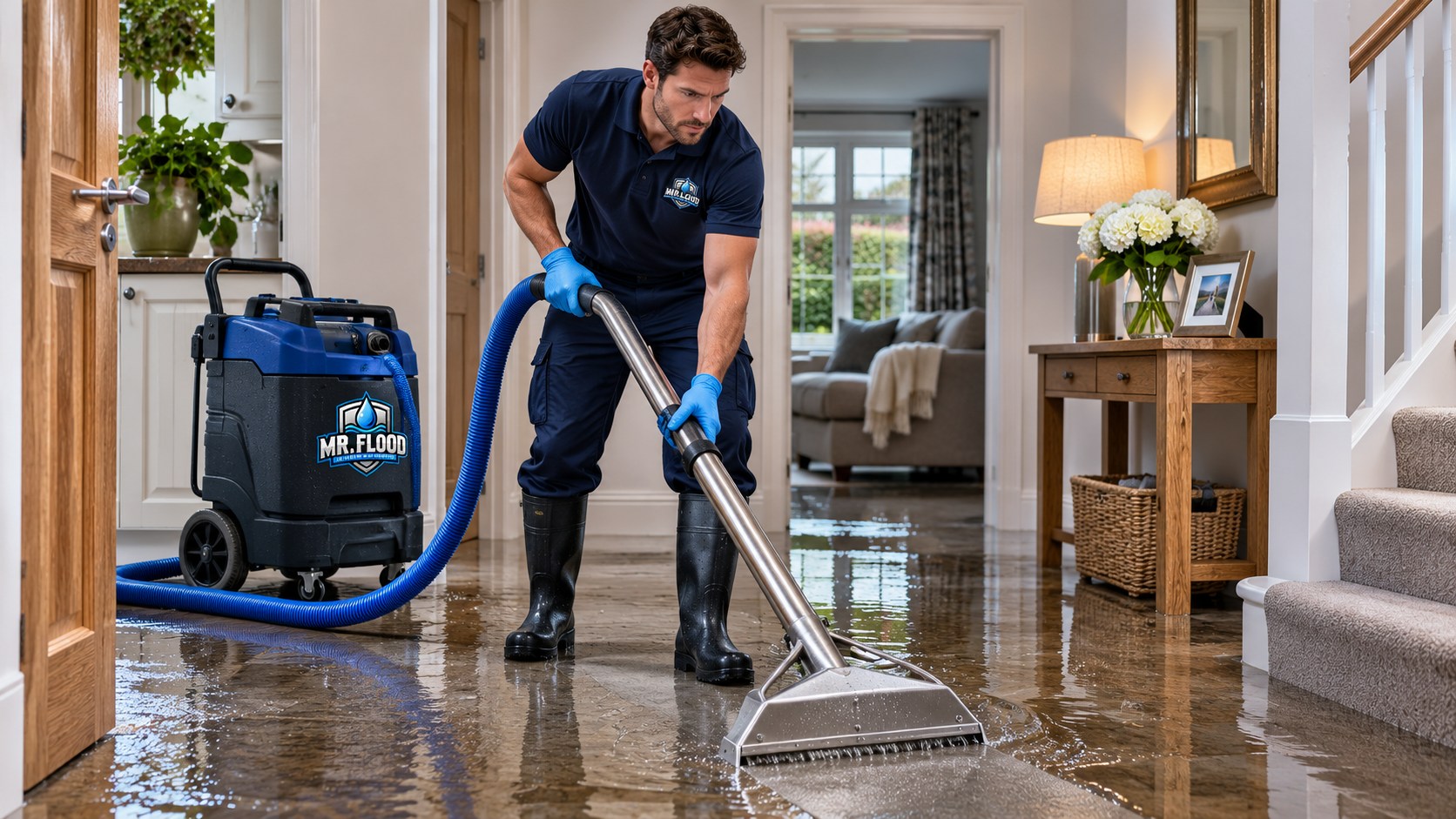
The illustrated DrizAir 1200 removes water vapour from the air and pumps collected condensate away. Within a planned drying system, dehumidification supports moisture moving out of suitable building materials. We select the equipment and settings for the space, conditions and construction.
Equipment is selected following assessment. Running time alone does not establish that a building is dry.
Explore structural dryingCompact dehumidificationProfessional drying in a compact format.
The Cube provides dehumidification where a compact unit suits the working space. Digital humidity controls and inlet and outlet environmental readings support setup and monitoring; collected water is removed by an automatic pump.
Compact equipment still needs suitable positioning, drainage and monitoring. The image is an illustrative setup, not a record of a customer job.
Explore monitored dryingControlled airflowMove air where the drying plan needs it.
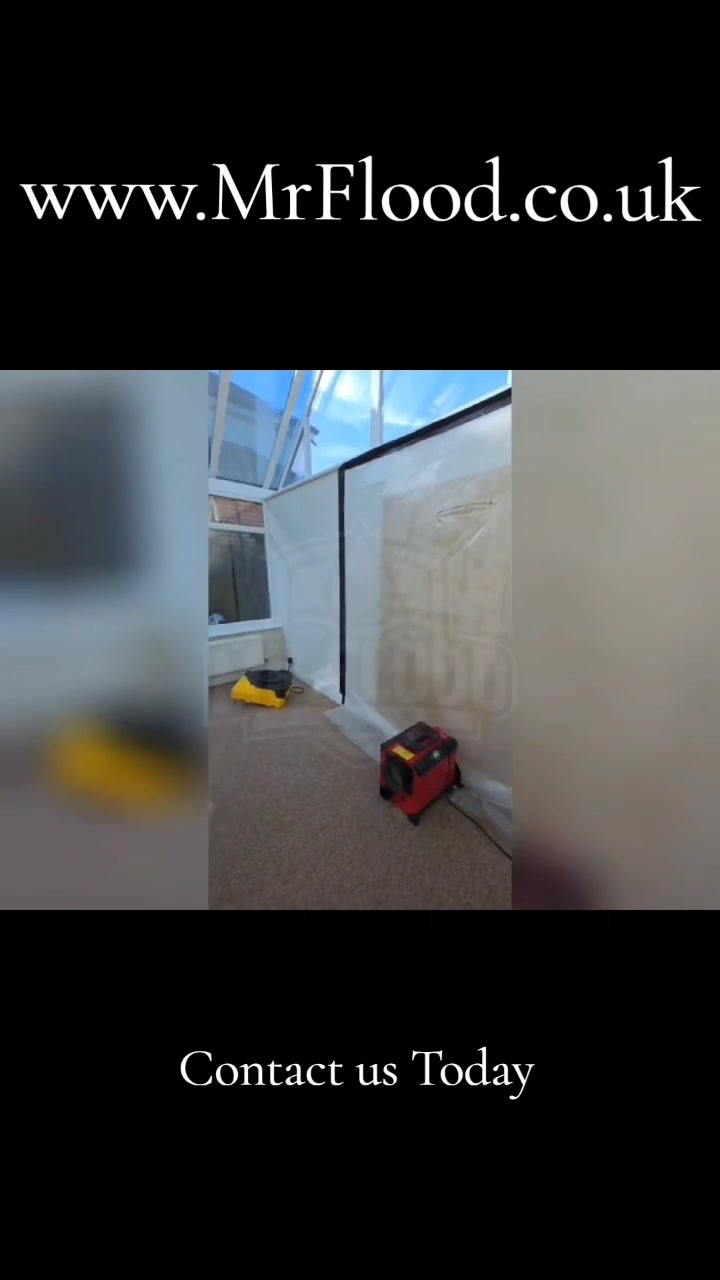
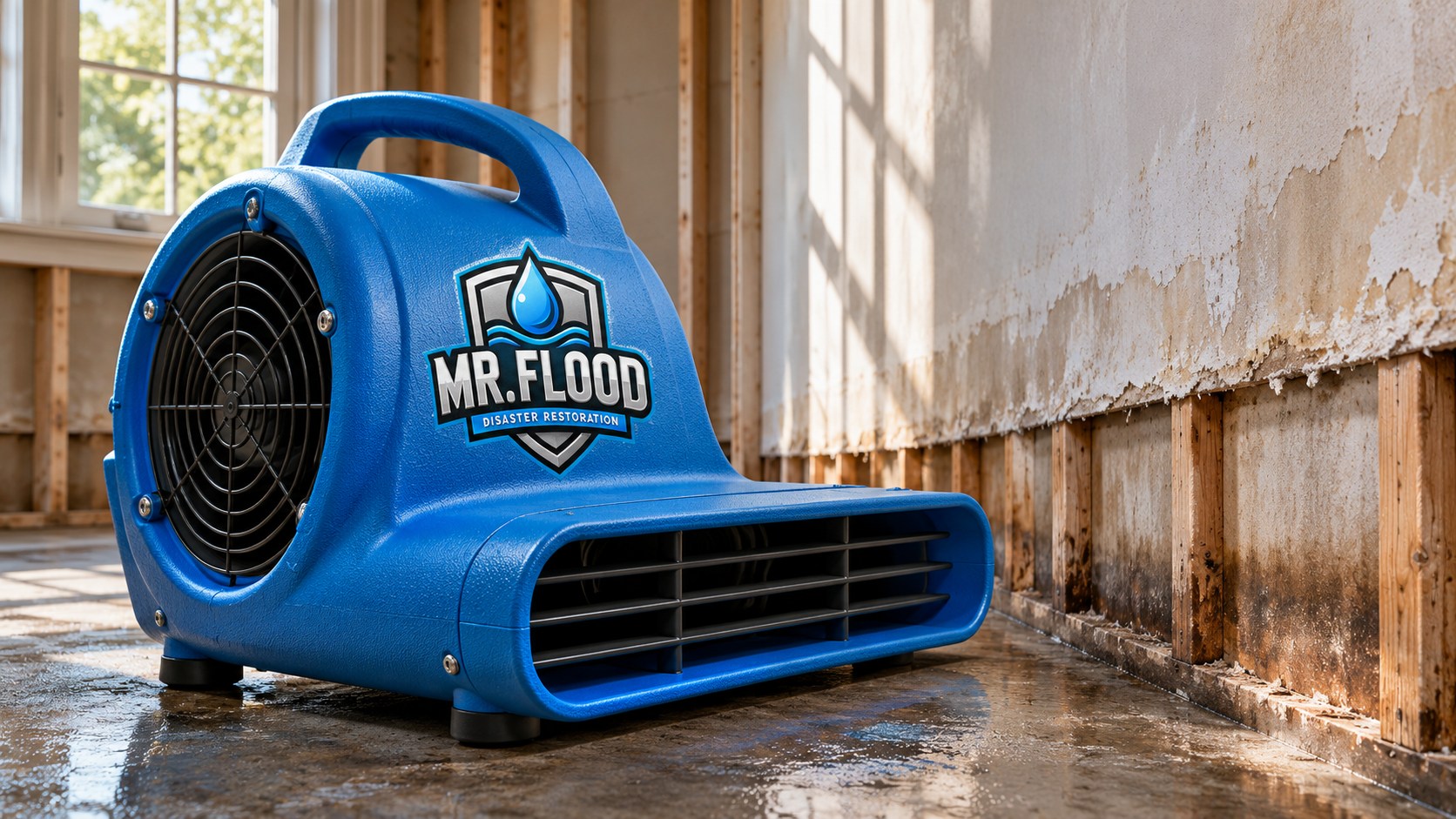
Air movers help move moist air away from suitable wet surfaces and support evaporation. They do not collect water themselves. Airflow is planned with dehumidification and adjusted to the material and room conditions.
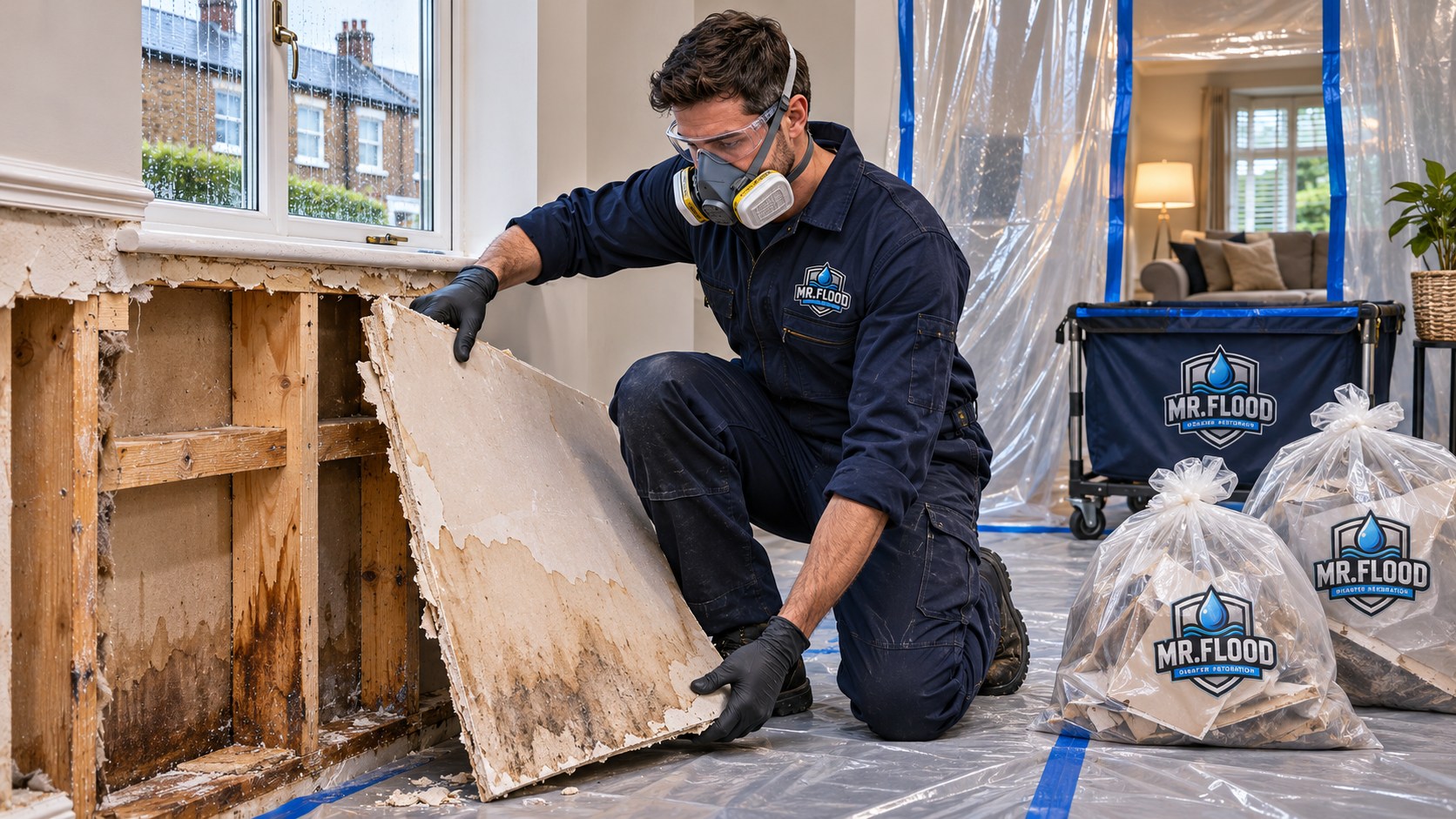
Contamination is assessed before using air movement, particularly around sewage or mould.
See how monitored drying worksMeasure the materialsA surface can look dry before it is ready.
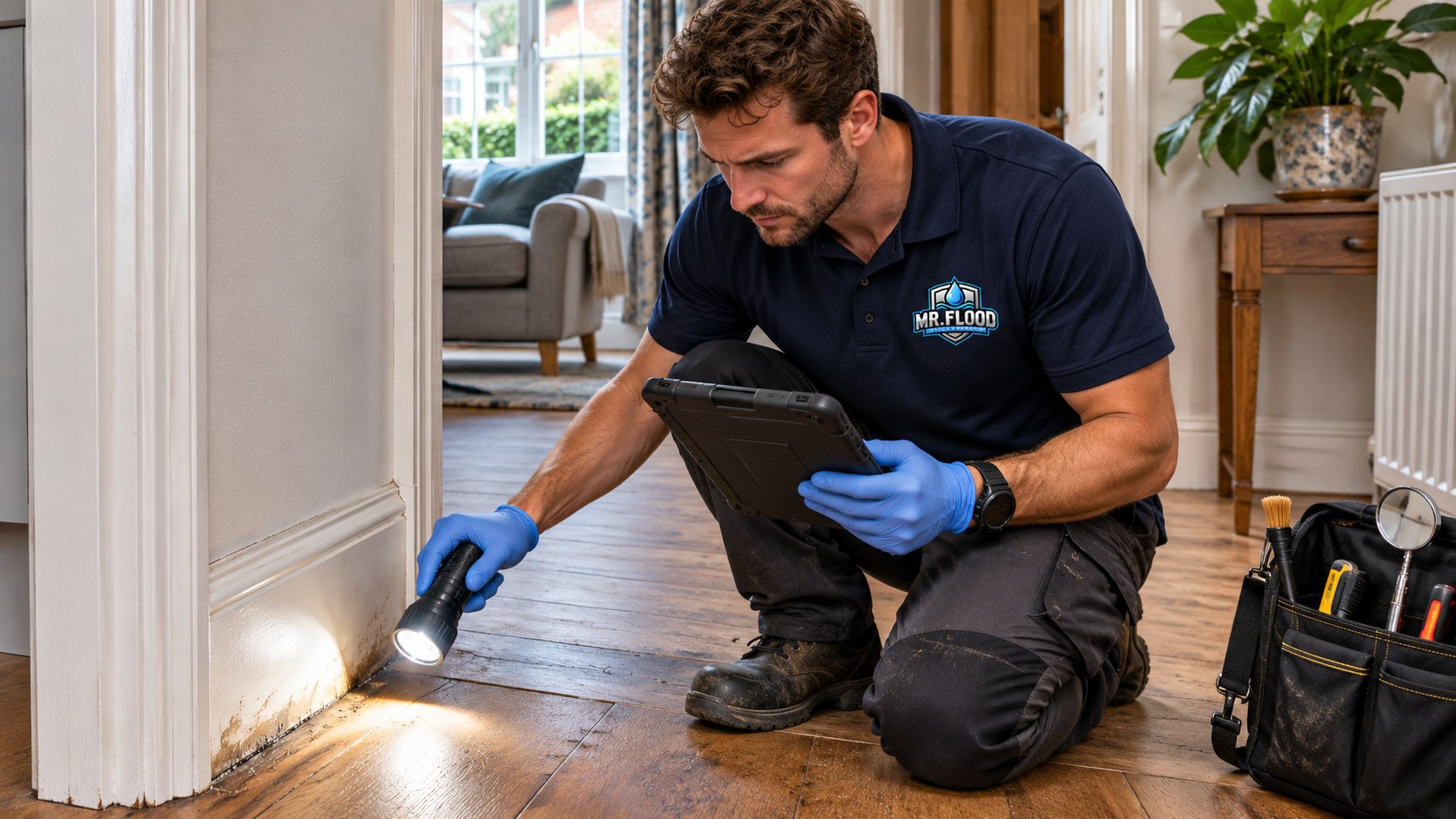
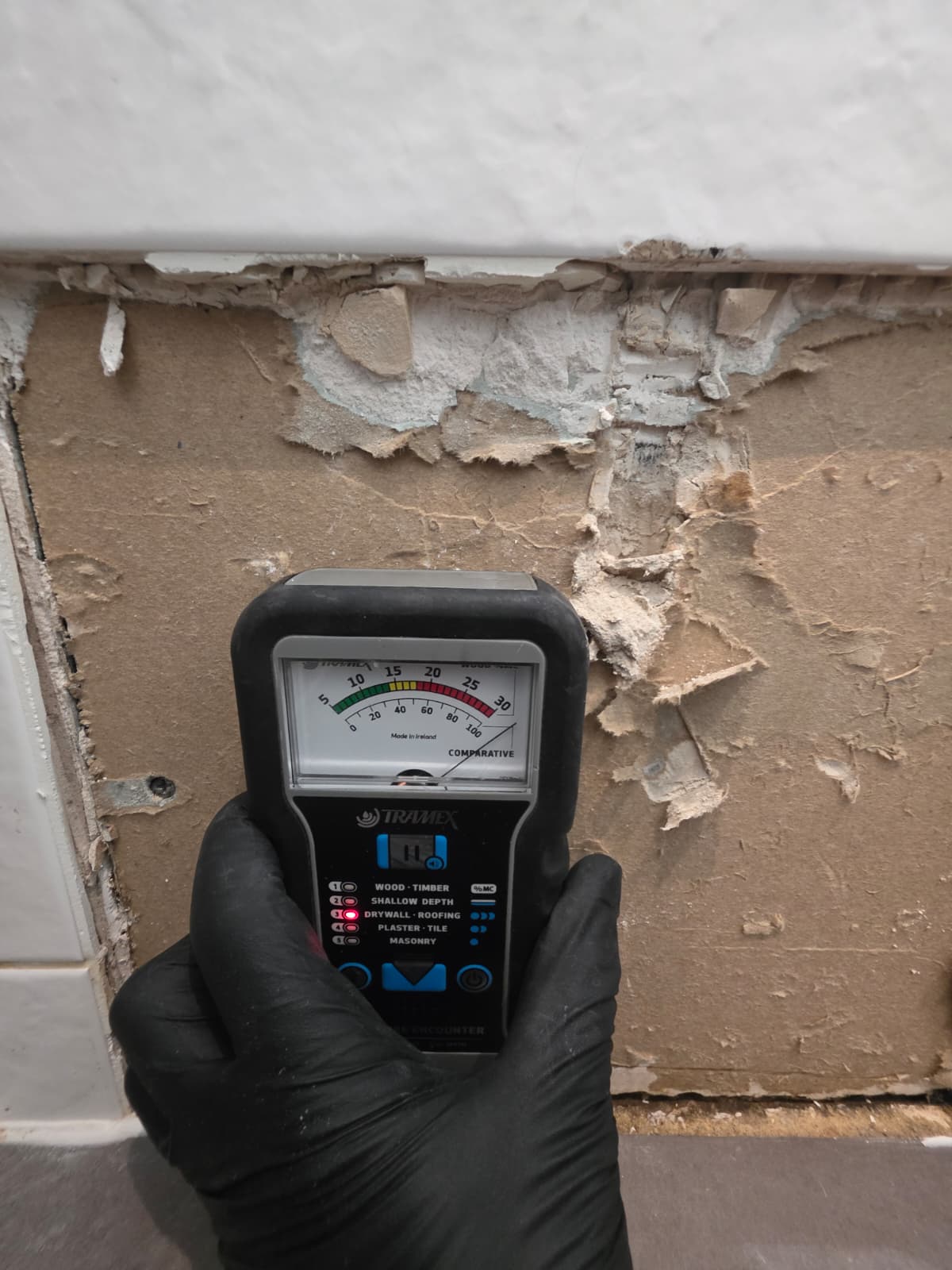
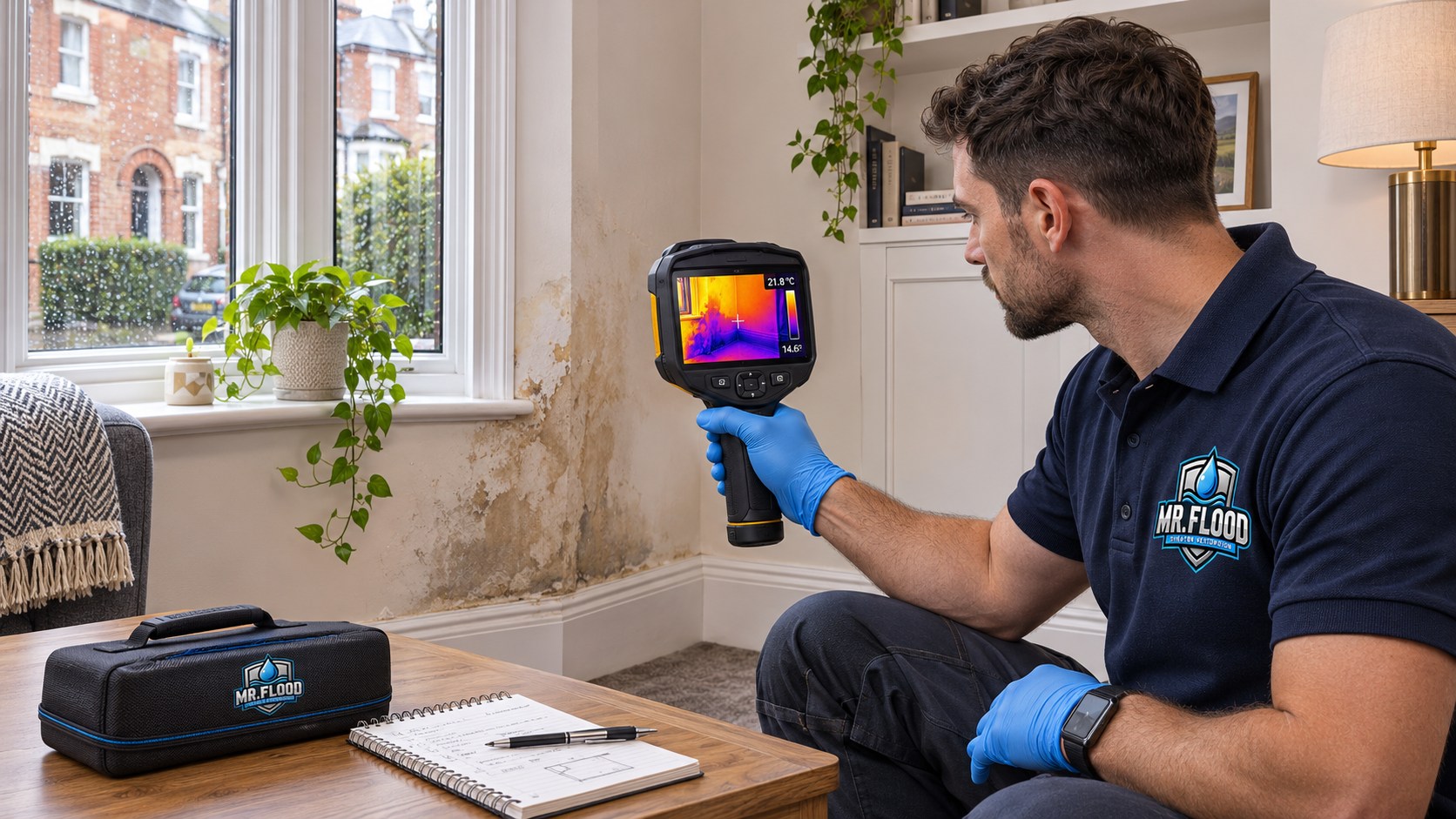
The marked wall is a reminder to investigate beyond appearance. Appropriate moisture measurements and environmental readings establish a starting point; repeat checks help assess progress against the agreed drying objectives.
The illustration shows the affected wall, not a moisture instrument or a measured result.
Explore surveys & testingSeparate contamination controlsControl particles as part of the work.
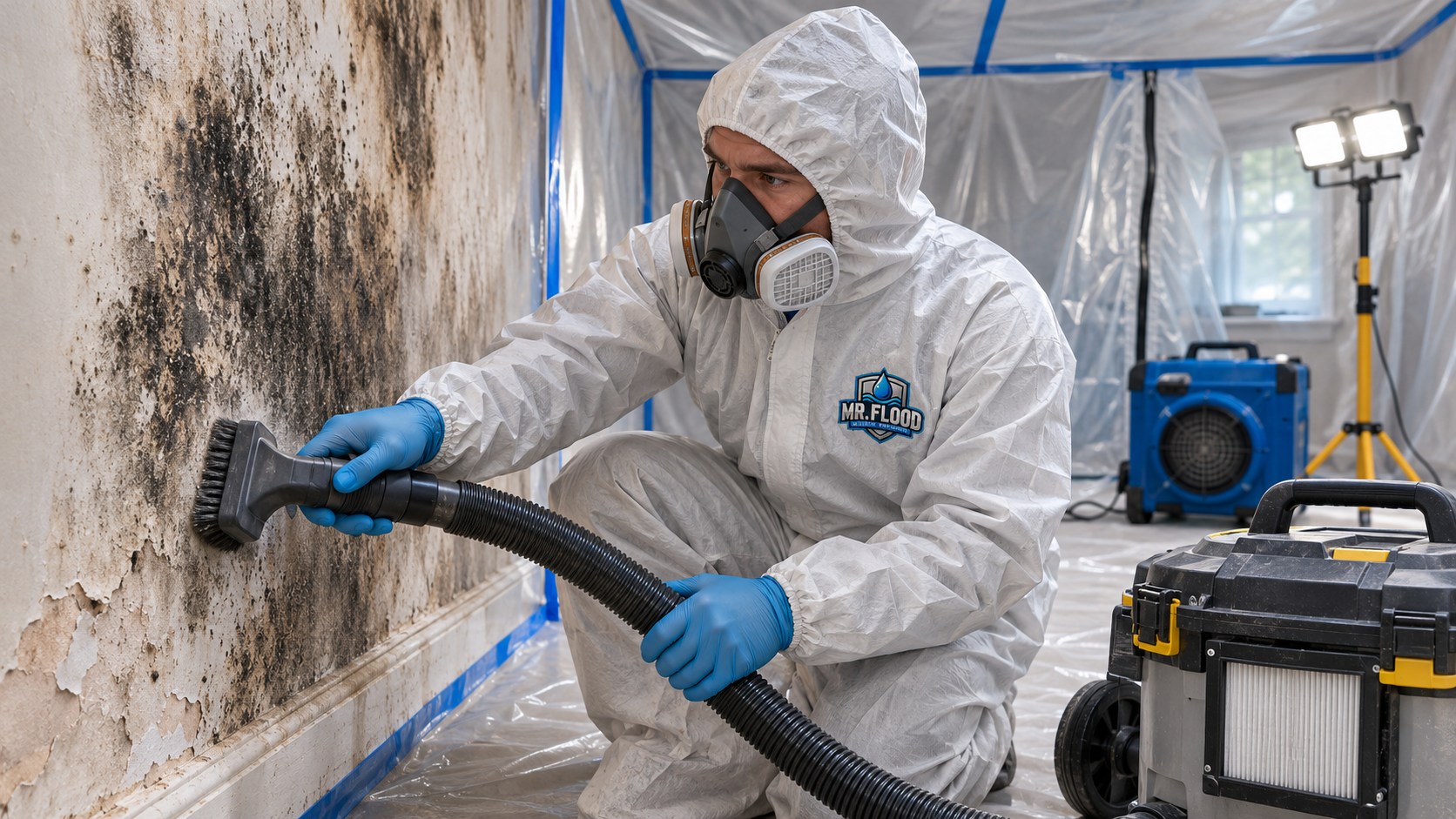
HEPA-filtered vacuuming and air filtration can support the controlled removal of dust and particles during suitable remediation work. They are selected with containment, source removal and cleaning—not used as a substitute for those steps.
HEPA filtration equipment is not shown in this drying illustration.
Explore controlled remediationCleaning comes firstMatch the treatment to the contamination.
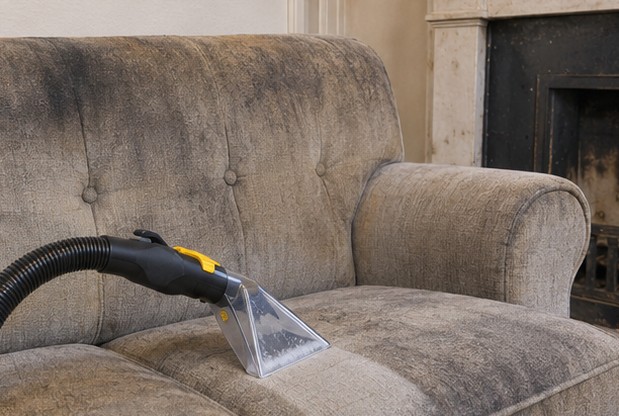
Physical cleaning removes soil and residues. Where appropriate, a separately specified sanitisation or disinfection stage follows, using a compatible product and its required application controls. Sewage and other contamination need their own assessed scope.
Treatment does not replace removal of materials that cannot reasonably be cleaned.
Explore cleaning & sanitisationFind the sourceAddress the cause, not just the smell.
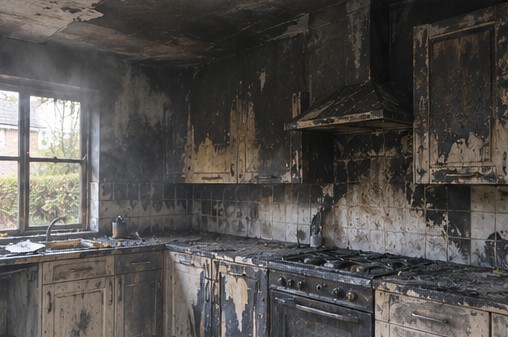
Persistent odours can remain in deposits, contents or porous materials. Investigation and source cleaning come first. Appropriate supplementary methods are selected for the problem, with preparation and return-to-use arrangements explained.
Fogging and ozone are separately assessed treatments, not automatic additions to every job.
Explore odour neutralisation 


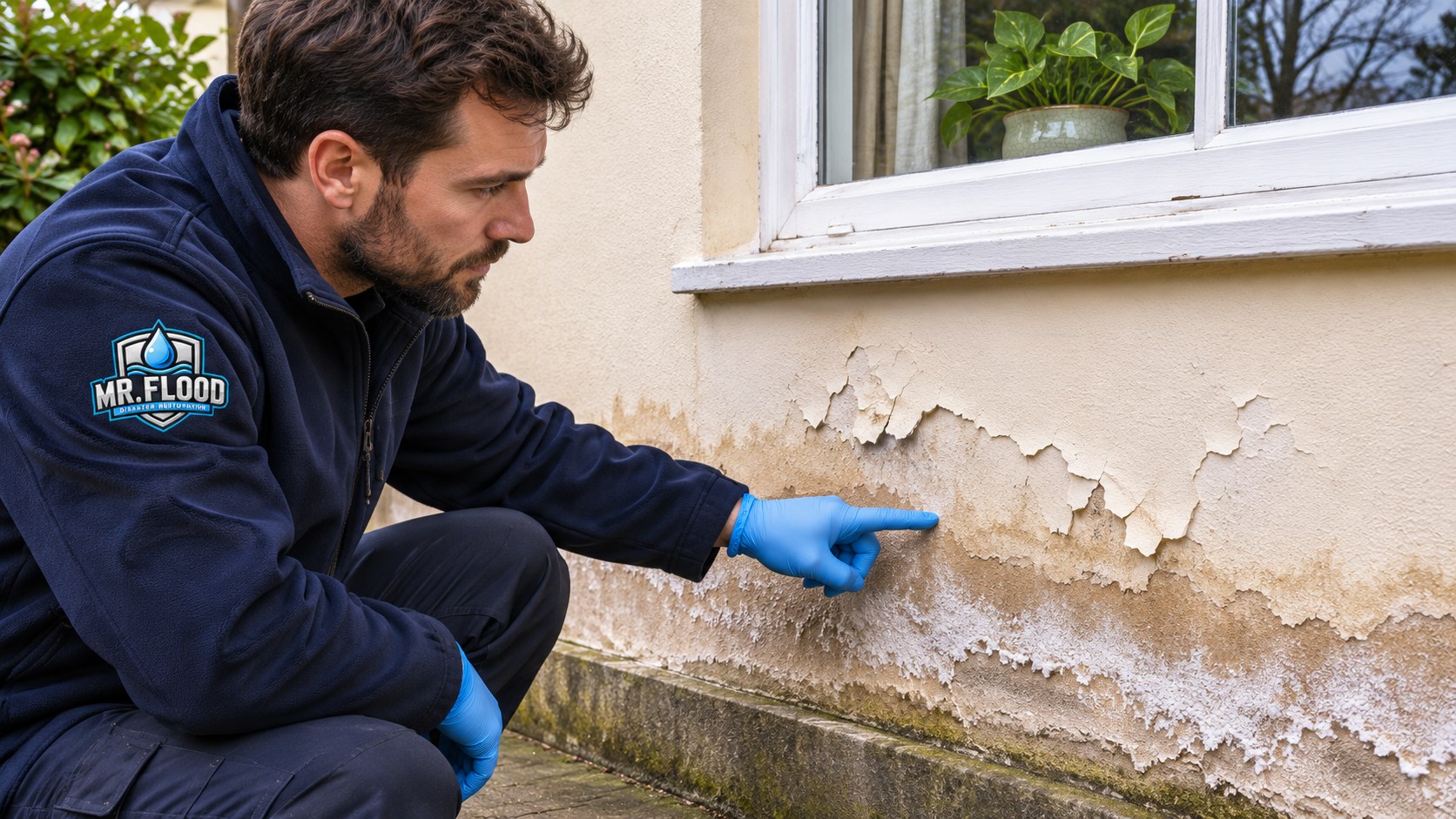 Understand the cause first.
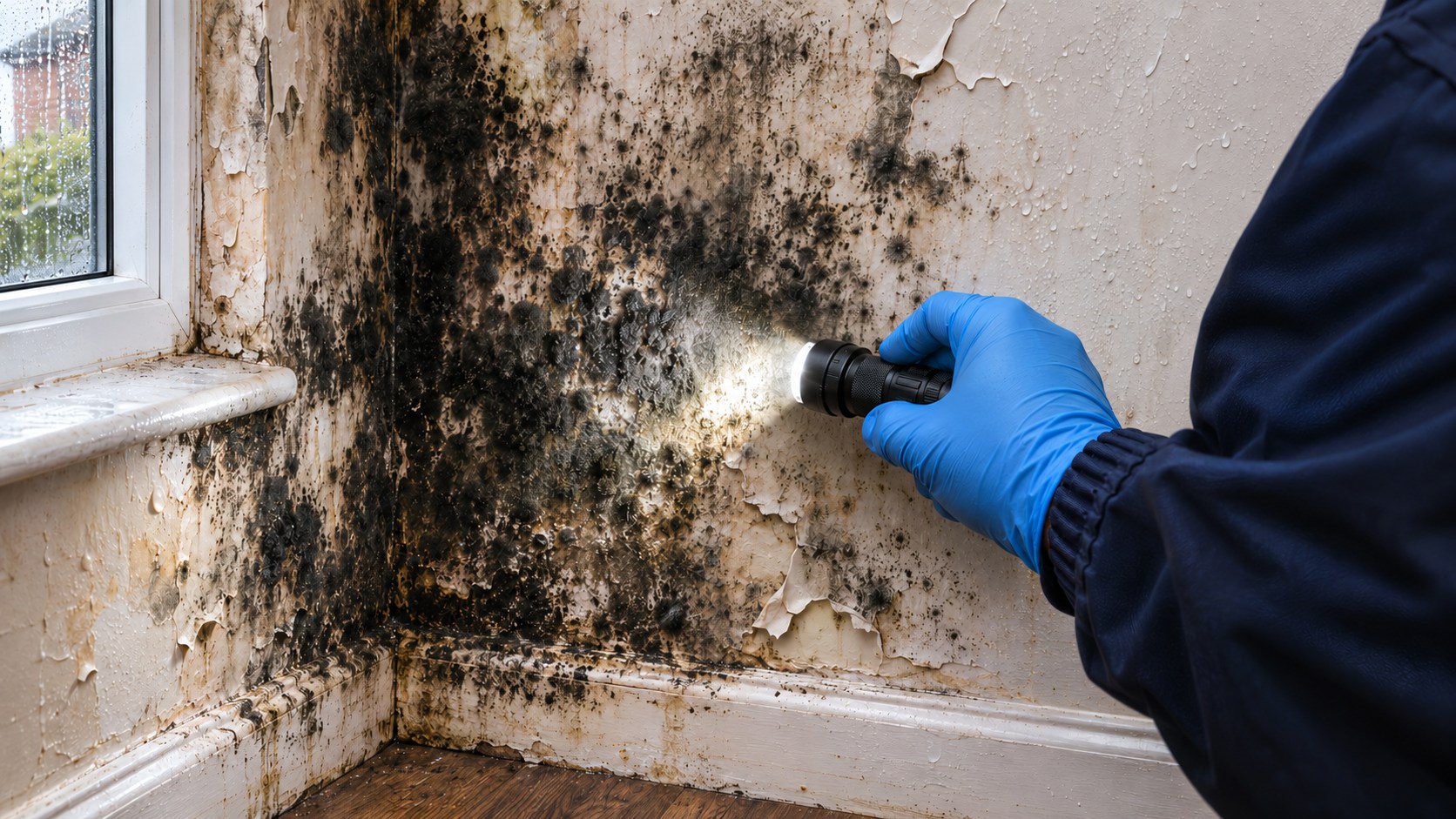
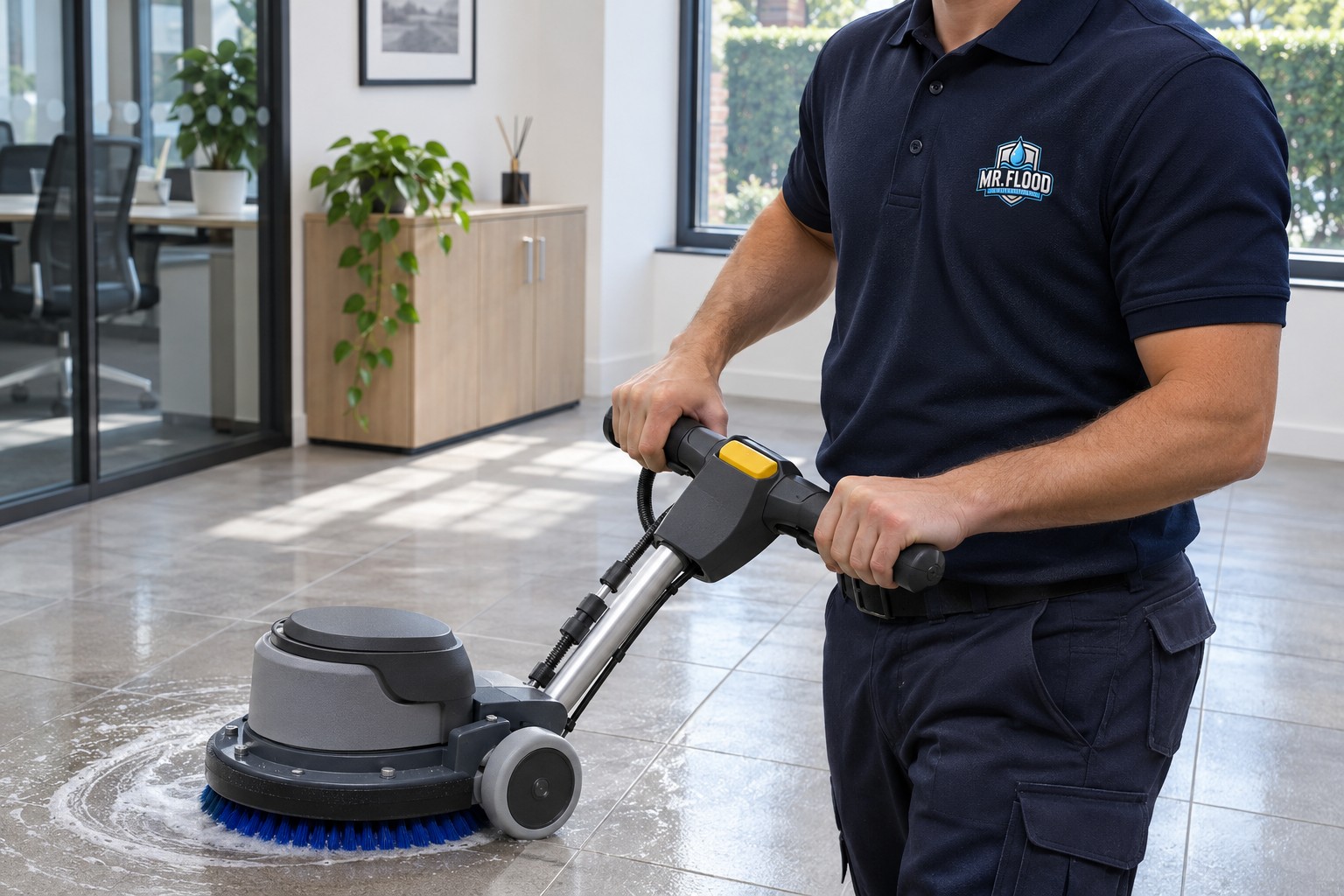
 Clear findings and next steps
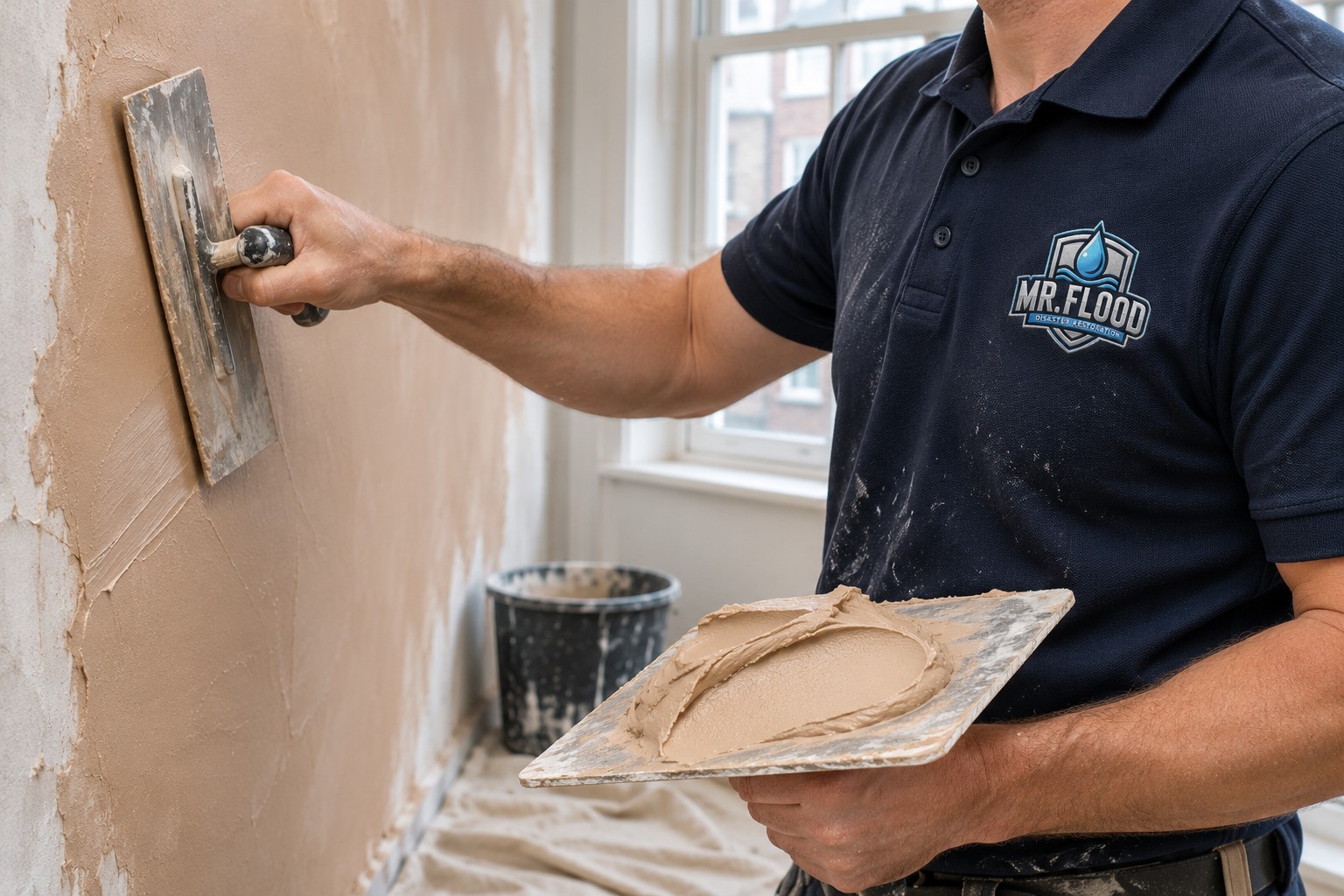
 Carefully finished interiors