

Agree the inventory
Identify the areas and items included, separating retained belongings from the materials authorised for removal.
Available 24/7Emergency call-out · Speak to a specialist
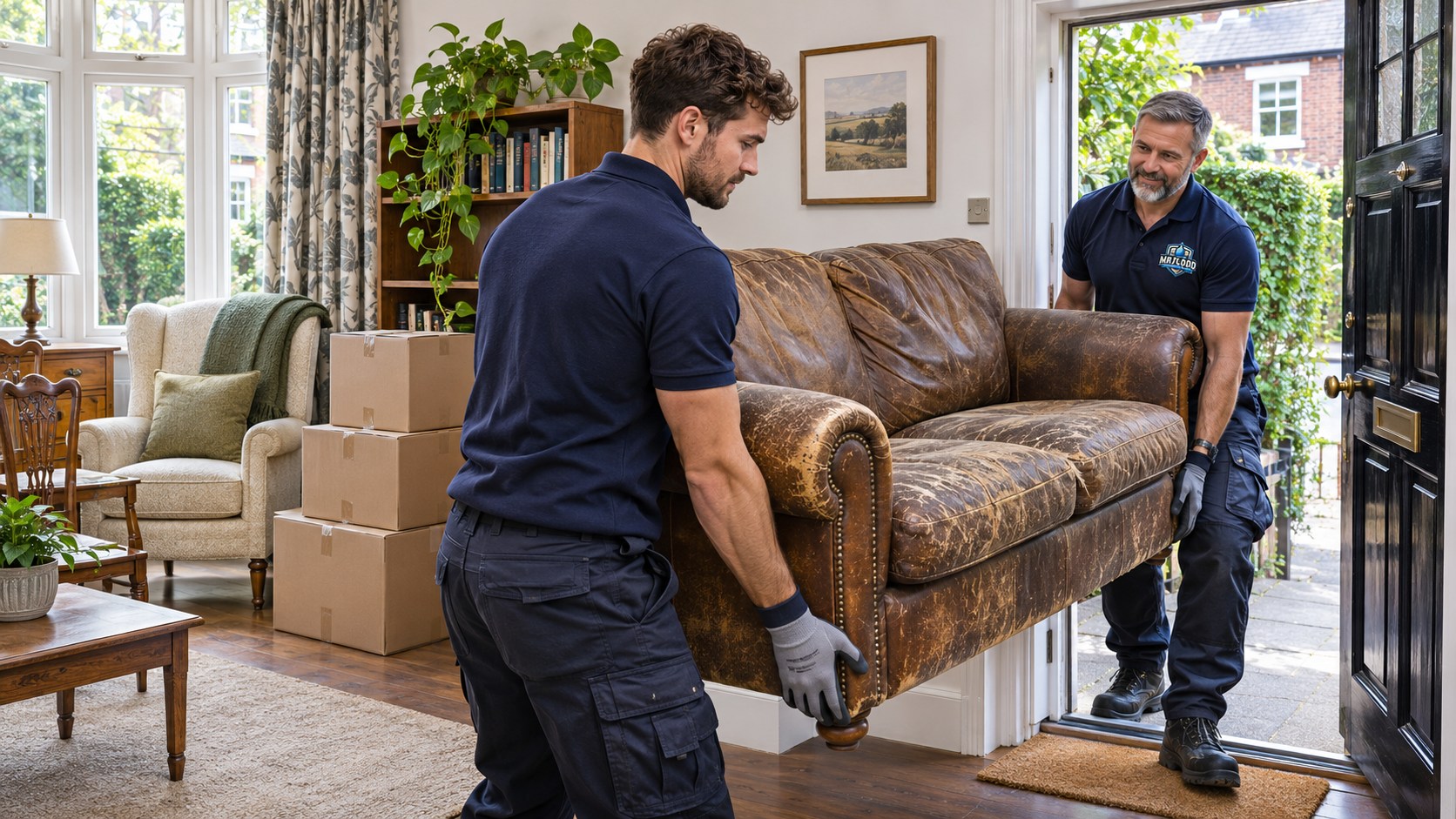 SERVICE ILLUSTRATION
A successful clearance starts with a clear inventory and authority to act. We agree which belongings stay, which items are to be removed and how access, segregation and waste-handling requirements affect the work. From a single room to a whole property, the scope separates clearance from any subsequent cleaning, decontamination or repairs.
Immediate danger or an active fire? Call 999. Mr Flood provides restoration and cleanup, not emergency-service rescue or firefighting.
A property clearance should begin with decisions about belongings, not with loading a vehicle. An agreed area-and-item schedule can cover houses, lofts, garages, sheds and offices, including probate clearances instructed by an authorised representative. Our team establishes who can authorise the work, which areas are included and what must be retained, reviewed or removed. This is particularly useful for a tenancy change, estate instruction or restoration project where personal documents, valuable items and damaged materials may be mixed together within the same rooms.
The removal plan considers volume, carrying routes, stairs, parking and the nature of the waste. Ordinary unwanted contents are not automatically handled in the same way as chemicals, contaminated materials or other specialist items. We define the proposed route and any further requirements before work is agreed, keeping clearance distinct from cleaning, repairs or treatment that you may choose to add afterwards.
The precise methods, access requirements and deliverables are agreed for your project. These are the areas we can discuss.
Identify the areas and items included, separating retained belongings from the materials authorised for removal.
Assess volume, carrying routes, access and any specialist waste needs so the scope is practical.
Discuss whether cleaning, odour treatment or repairs are also needed after the agreed clearance has taken place.
Methods are selected for the materials, conditions and agreed purpose of the visit.
Create a practical area or item schedule with the authorised contact. Clearly mark retained belongings, items needing a decision and the removal scope; important documents and personal possessions can be identified before the team starts moving materials through the property.
Review the likely volume, access constraints and materials involved. The proposed waste route must be suitable for the waste type, with the necessary carrier and receiving-facility authorisations checked rather than inferred from the fact that a collection has been arranged.
Review the cleared areas against the agreed brief and record exceptions or items retained for further instruction. Any contamination, damage or previously inaccessible defect discovered during removal is brought forward for a separately agreed cleaning or restoration decision.
The quotation confirms the work and any reporting or verification included. These are the outputs to discuss.
An agreed retained, review and removal schedule for the included areas.
Confirmation of the planned waste route and applicable transfer records.
A completion record with any separately recommended cleaning or remedial work.
Useful terms you may see in the specification or findings.
Only if it is part of the agreed quotation. Tell us whether you need removal alone, a clean afterwards or a wider property-reset service.
That can be included in the brief, with a clearly agreed review area or inventory approach. It is important to identify the decision-maker and any valuables or documents before clearance, particularly where several people have an interest in the contents.
No. The type, volume and handling requirements must be assessed. Hazardous, contaminated or unusually heavy items can need a separate route and scope, so unknown materials should be identified before assuming they are included.
Mr Flood supports homeowners, landlords, managing agents and commercial clients. The scope, quotation and any reporting requirements are discussed for the individual job.
Read customer reviewsSend the postcode, a short description and photos where safe. We’ll help identify the appropriate next step.
No automatic booking or commitment.
 Amy · Mr FloodFind your service
Need help choosing a service? Browse all services or email the Mr Flood team.