

Assemble the evidence
Bring together relevant observations, photographs, moisture records and restoration reports within the scope of our work.
Available 24/7Emergency call-out · Speak to a specialist
 SERVICE ILLUSTRATION
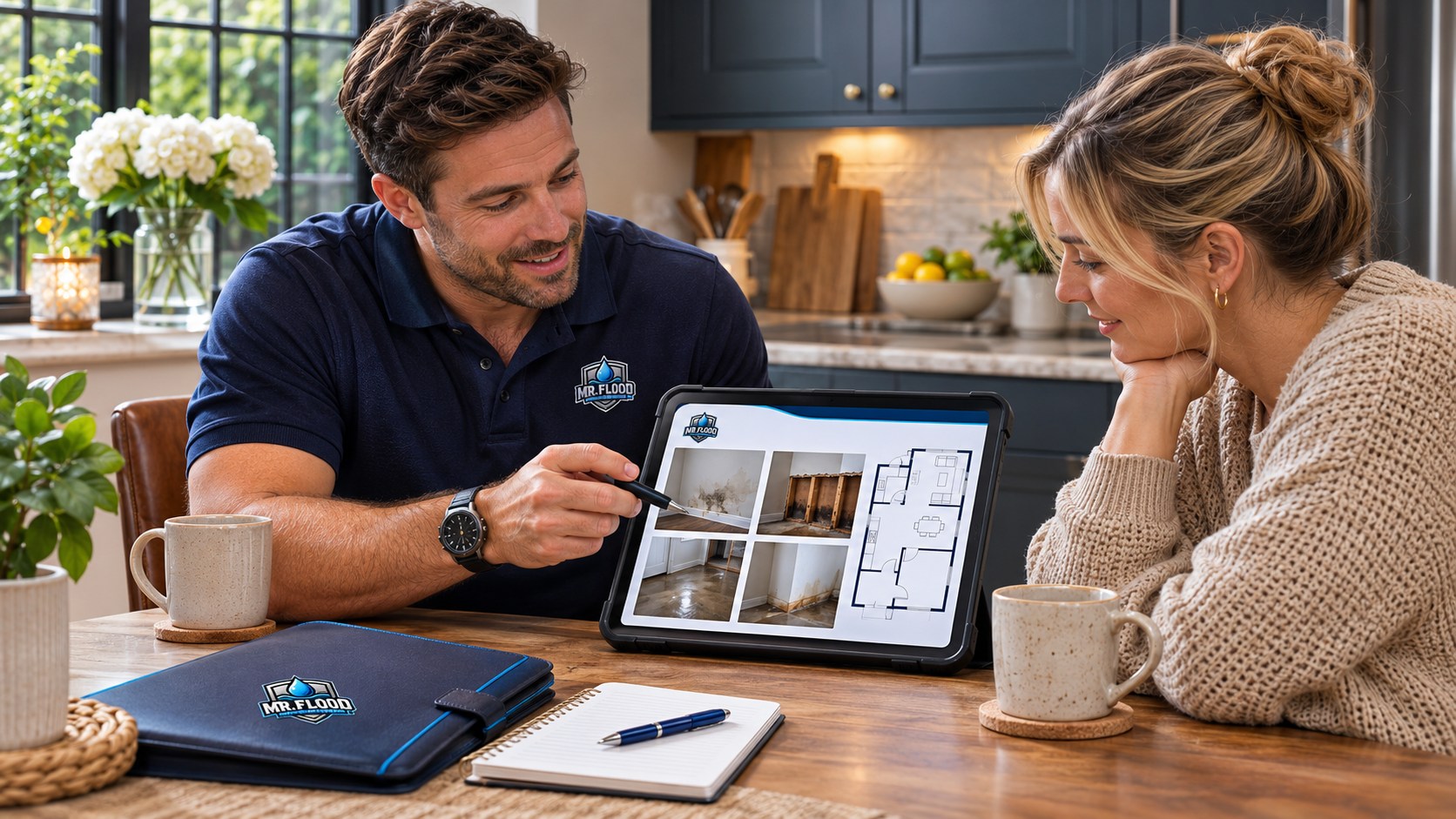
Clear restoration evidence helps everyone involved understand the work and the decisions still needed. With your authority, we can organise photographic findings, moisture records and the proposed remedial sequence for insurers or contractors. Agreed liaison, letters and claim-support information explain the technical scope and responsibilities without promising policy cover, approval or a particular claim outcome.
A restoration project is easier to manage when the people involved are working from the same evidence and scope. Our team prepares a clear professional record of the observations, photographs and moisture findings within the agreed service, then explains the proposed restoration sequence to authorised contacts. This helps distinguish initial findings, work already completed and decisions still needed before the next stage can proceed.
The emphasis is practical technical communication, not a promise about the insurance outcome. Insurers decide cover and claim acceptance under the policy, while the client authorises the work commissioned from us. We keep those decisions distinct, identify dependencies between investigation, cleaning, drying and reinstatement, and explain variations where new evidence changes the proposed scope so that discussions are supported by a clear project record.
The precise methods, access requirements and deliverables are agreed for your project. These are the areas we can discuss.
Bring together relevant observations, photographs, moisture records and restoration reports within the scope of our work.
Set out the restoration sequence and quotation so the parties can understand what is proposed and why.
Discuss access, work dependencies and progress with the authorised contacts, subject to the agreed liaison arrangement.
Methods are selected for the materials, conditions and agreed purpose of the visit.
Assemble the relevant records from the agreed instruction and arrange them by incident, area or work stage. Observed facts, reported history and professional interpretation are distinguished, with access limitations retained so the record does not suggest a more extensive investigation than was performed.
Set out the proposed works and why each stage is included. Identify prerequisite repairs, access or authorisation needed before progress, and separate optional additions from necessary restoration items so the client and relevant contractors can understand the same proposed sequence.
Communicate progress and scoped changes through the authorised contacts, using the agreed reporting arrangement. Additional visits, specialist investigations or revised quantities are raised as identifiable decisions, rather than treating insurer discussion or a quotation request as permission to start unapproved work.
The quotation confirms the work and any reporting or verification included. These are the outputs to discuss.
An organised pack of relevant restoration records, with explanatory letters or claim-support information where commissioned.
A clearly described quotation and sequence with dependencies and exclusions identified.
Agreed progress or variation updates for the authorised project contacts.
Useful terms you may see in the specification or findings.
No. Coverage, approval and payment remain matters for the insurer and policyholder. Our role is to explain and document the agreed restoration work, not guarantee a claim outcome.
Agreed professional reports and relevant findings can be shared with the contacts you authorise, within the commissioned liaison service. The recipient and purpose are confirmed before sharing.
No. A request for information, a quotation review and authority to proceed are separate steps. Final scope, fee, access and appointment arrangements must be confirmed, and no insurer payment or policy cover is guaranteed by our involvement.
Mr Flood supports homeowners, landlords, managing agents and commercial clients. The scope, quotation and any reporting requirements are discussed for the individual job.
Read customer reviewsSend the postcode, a short description and photos where safe. We’ll help identify the appropriate next step.
No automatic booking or commitment.
 Amy · Mr FloodFind your service
Need help choosing a service? Browse all services or email the Mr Flood team.