

Investigate the concern
Review reported ingress, visible roof defects and relevant junctions, noting areas that require closer inspection.
Available 24/7Emergency call-out · Speak to a specialist
 SERVICE ILLUSTRATION
Roof-related ingress often depends on the detail at a junction, flashing or rainwater outlet. We consider the reported leak, visible defects and available access before defining an appropriate repair or maintenance scope. Findings distinguish the evidence for the likely water route from areas needing closer inspection, so the proposed work addresses the assessed defect.
Roof-related water ingress is best considered as a route through the building, not just a stain on the ceiling. Our team reviews the reported history and accessible evidence around roof coverings, junctions and rainwater details to help define the next inspection or repair stage. The assessment distinguishes visible defects from suspected pathways that need closer examination before a reliable scope can be agreed.
A local covering repair, defective flashing and a wider drainage or maintenance issue require different work. We explain the proposed area, suitable access and any specialist input needed, with weather and material availability considered when arrangements are confirmed. Where water has entered the property, internal moisture assessment, drying and reinstatement can be linked as separate stages rather than assuming the building fabric is dry as soon as the roof work is finished.
These are scope options, not automatic inclusions in every visit. The relevant tasks, access, specialist attendance and responsibilities are agreed before booking the work.
Discuss damaged tiles or slates, pitched-roof repairs, and flat-roof work involving suitable felt, EPDM or fibreglass systems. A larger repair or full roof replacement needs its own assessment and specification, with the competent roofing specialist, access, construction and project requirements confirmed separately.
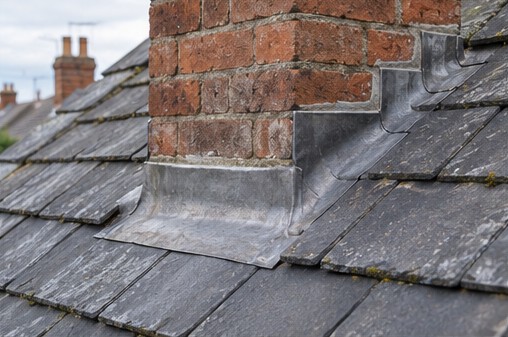
Leadwork, flashing, chimney repairs or repointing are considered around the observed defect and roof construction. Storm damage or suspected structural movement may need further specialist assessment; a visible leak is not proof that a single surface treatment will resolve every concealed issue.
Gutter cleaning or repair, fascia and soffit maintenance, and moss or debris removal are defined by the condition and safe-access plan. Roof coatings or waterproofing are considered only where suitable for the substrate and required outcome, not as a universal substitute for repairing defective construction.
The precise methods, access requirements and deliverables are agreed for your project. These are the areas we can discuss.
Review reported ingress, visible roof defects and relevant junctions, noting areas that require closer inspection.
Agree suitable work to affected coverings, flashing or associated details after the construction and condition are assessed.
Define gutter cleaning, fascia and soffit work, roof-moss or debris removal and maintenance needs around the roof material and safe-access plan. Cleaning is not assumed to repair a defective covering.
Methods are selected for the materials, conditions and agreed purpose of the visit.
Review the timing of ingress, affected internal areas and accessible external details. Photographs or a separately scoped drone survey may help identify areas needing attention, while concealed construction and the exact path of water remain explicit limitations where they cannot be verified.
A relevant competent specialist should confirm suitable repair details for the roof system and condition. Safe access, fragile surfaces, protection of people below and weather constraints belong in the plan; a brief repair is not assumed to make work at height low risk.
Document the agreed repaired areas and any unresolved details or maintenance recommendations. Internal drying or decoration is reviewed separately where ingress has affected finishes, and any later return of moisture can be assessed against the original observations and work record.
The quotation confirms the work and any reporting or verification included. These are the outputs to discuss.
A defined inspection or repair scope identifying accessible defects and uncertainties.
An agreed access and work plan with relevant specialist requirements.
Completion observations and recommendations for maintenance or internal restoration.
Useful terms you may see in the specification or findings.
Not always. Water can travel before it becomes visible inside. Inspection helps establish the likely route and whether further access or investigation is needed.
No. Images can provide useful visible evidence, but they do not establish the condition of every concealed layer or replace hands-on or structural assessment where needed. Access limitations and further checks should be recorded.
The internal materials may still need assessment and drying. We can define that as a separate restoration stage, with decoration planned around suitable substrate conditions rather than the date the external repair was completed.
Mr Flood supports homeowners, landlords, managing agents and commercial clients. The scope, quotation and any reporting requirements are discussed for the individual job.
Read customer reviewsSend the postcode, a short description and photos where safe. We’ll help identify the appropriate next step.
No automatic booking or commitment.
 Amy · Mr FloodFind your service
Need help choosing a service? Browse all services or email the Mr Flood team.